Budget Robot Vacuum Features That Actually Change Anything
Four features separate the machines in this price range. Two of them change your daily life. Two of them mostly fill a bullet list.
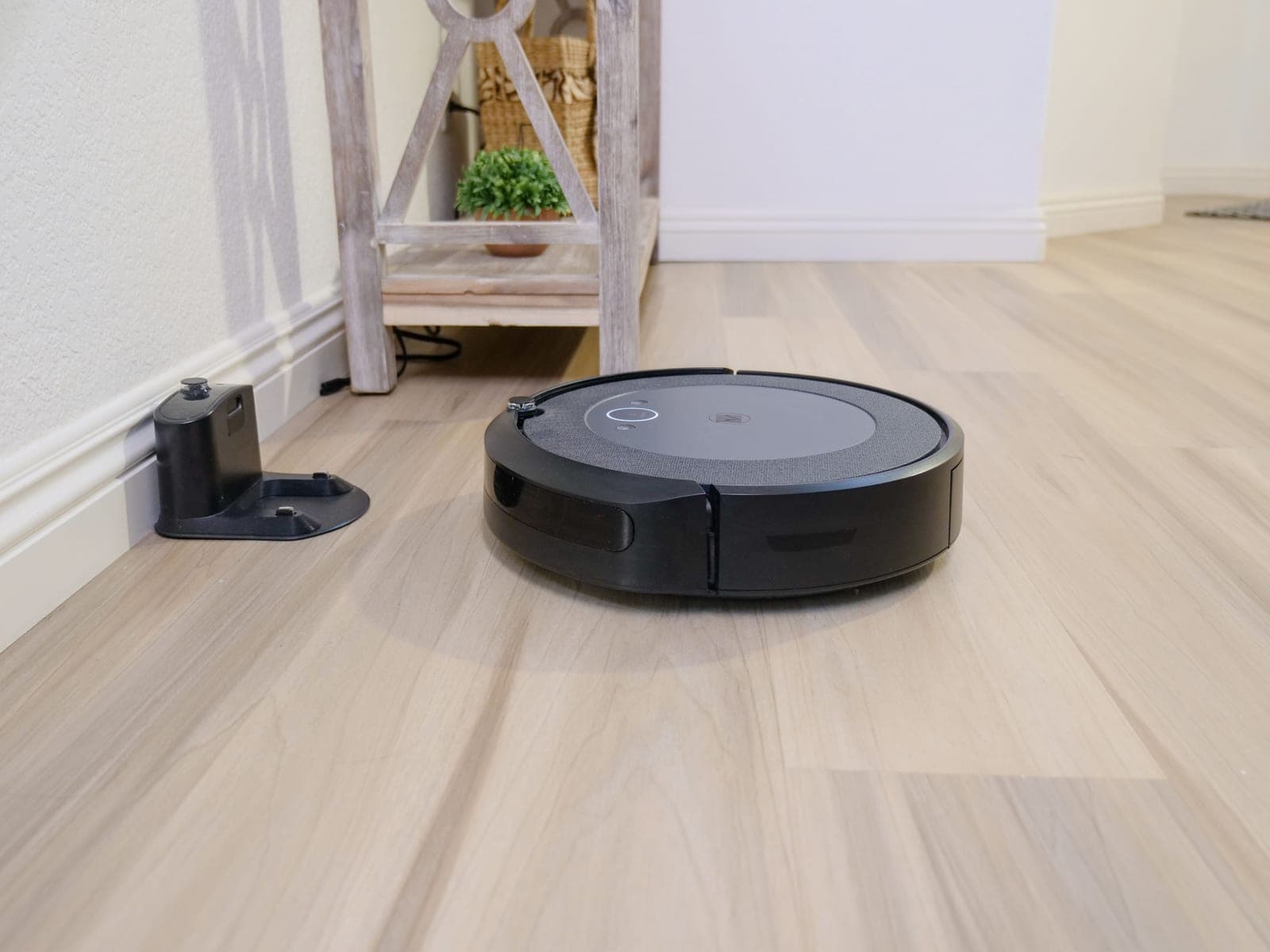
In this section
The Best Budget Robot Vacuum and Mop Combos
Two machines here mop mechanically. The rest drag a damp cloth - and this page says which is which.
Top pick: Roborock Q10 S5+
The Best Budget Robot Vacuums Without a Mop
Four vacuum-only machines, and the four concrete reasons removing the mop makes a better product.
Top pick: iRobot Roomba 105 Vac with AutoEmpty Dock
The Cheapest Robot Vacuums With LiDAR Mapping
Mapping starts at about $149 now. Five machines, and what each sensor type can and cannot see.
Top pick: Roborock Q10 S5+
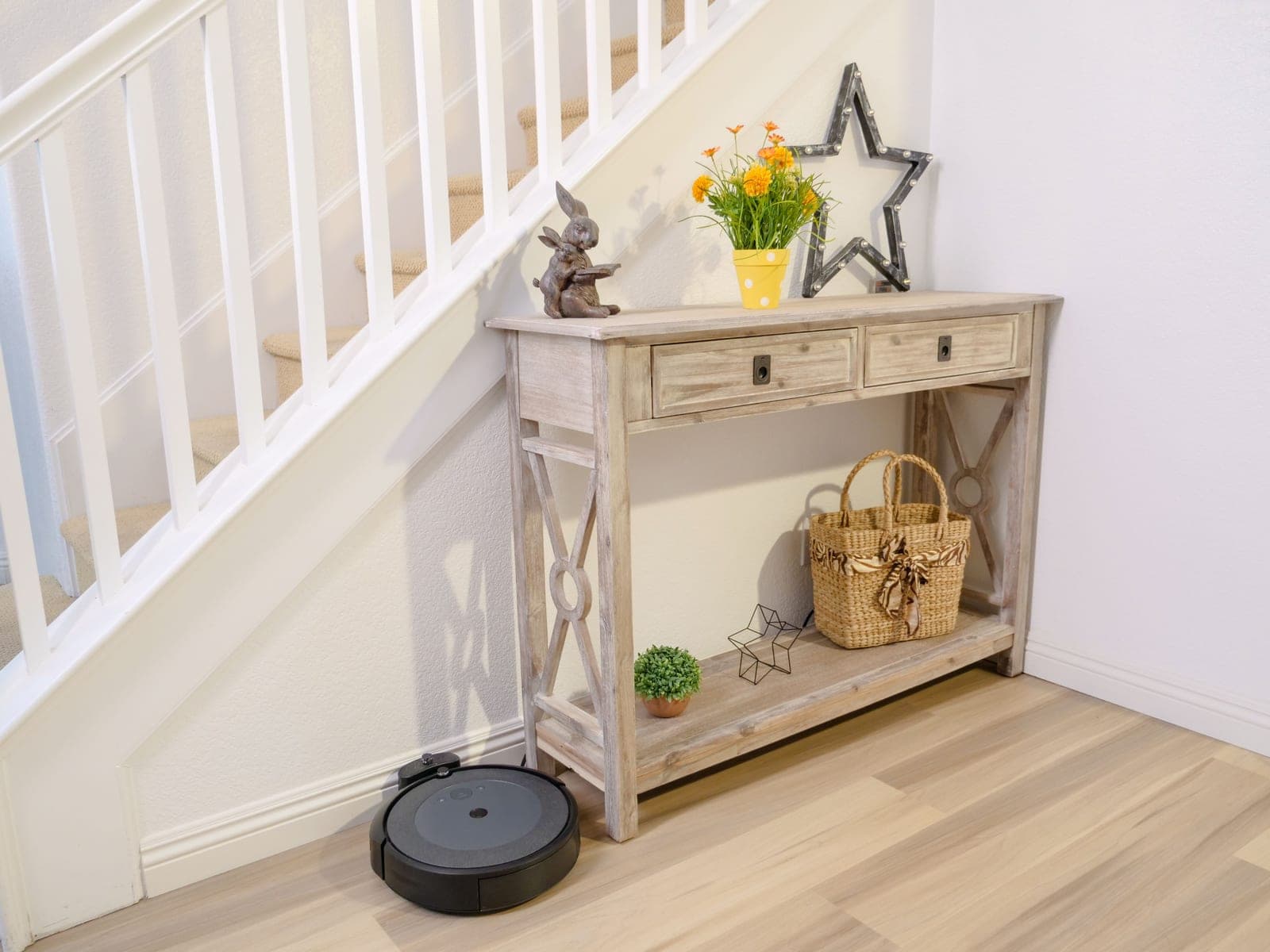
The Cheapest Self-Emptying Robot Vacuums
Self-emptying from about $168, and the bagged-versus-bagless question that decides what it really costs.
Top pick: Ecovacs DEEBOT N20 Plus
#ad No live price for this one as of October 18, 2026. How we are funded
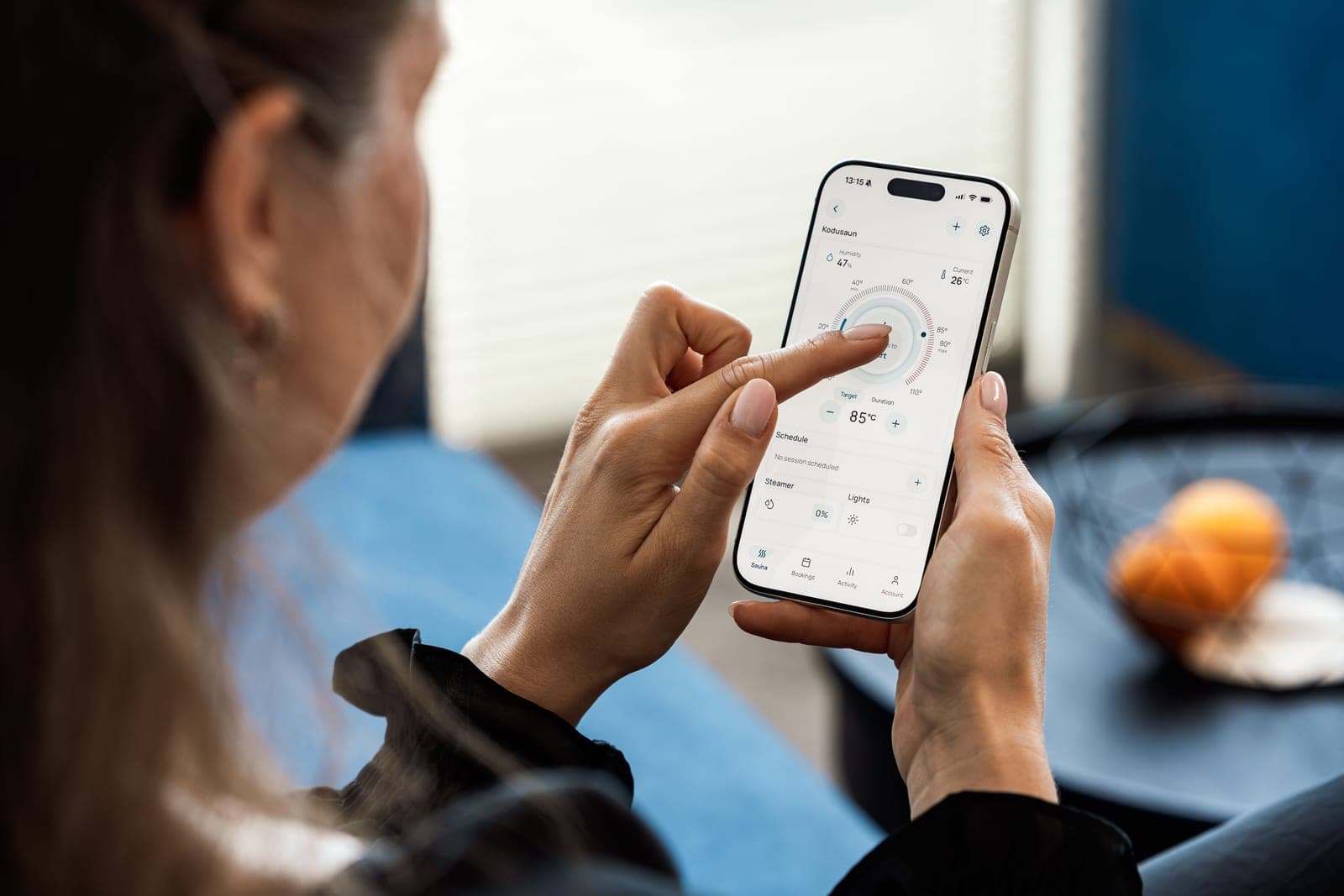
Robot Vacuum Apps and Voice Control, Compared
Ranked on the software rather than the hardware, and why voice control is not a reason to choose.
Top pick: iRobot Roomba 105 Vac
The Highest Published Suction Under $300
Every published Pascal figure under $300, ranked - and why the biggest one should not decide your purchase.
Top pick: Lefant M3
#ad Price last verified October 18, 2026. How we are funded

The Best Budget Robot Vacuums With Obstacle Avoidance
Five mechanisms share the name and only one sees a cable. What you can actually buy under $300.
Top pick: Lefant M3
#ad Price last verified October 18, 2026. How we are funded
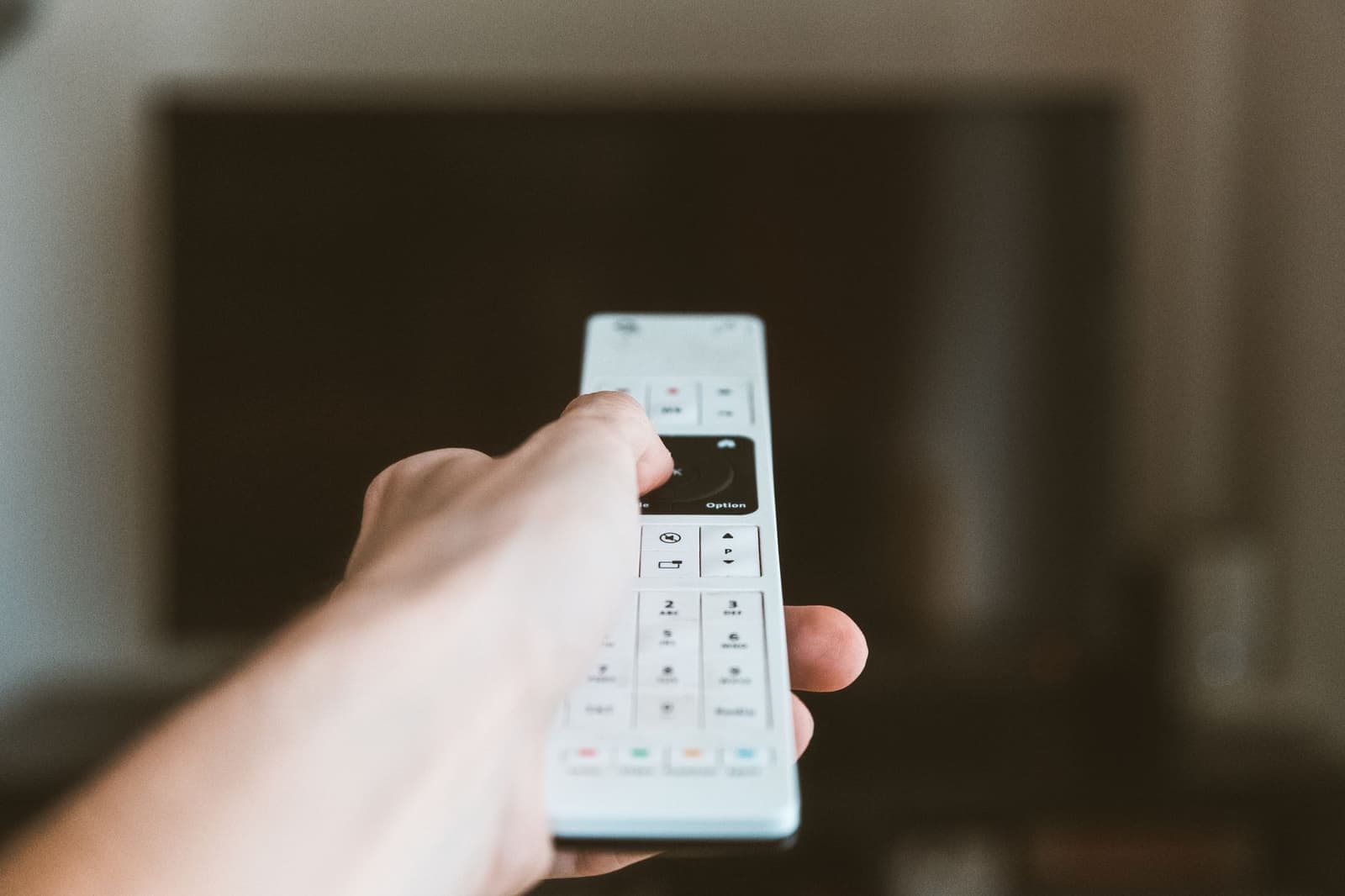
The Best Robot Vacuums Without Wi-Fi
One machine here needs no network at all. Two more run from a button or a remote - and what that costs you.
Top pick: ILIFE V2
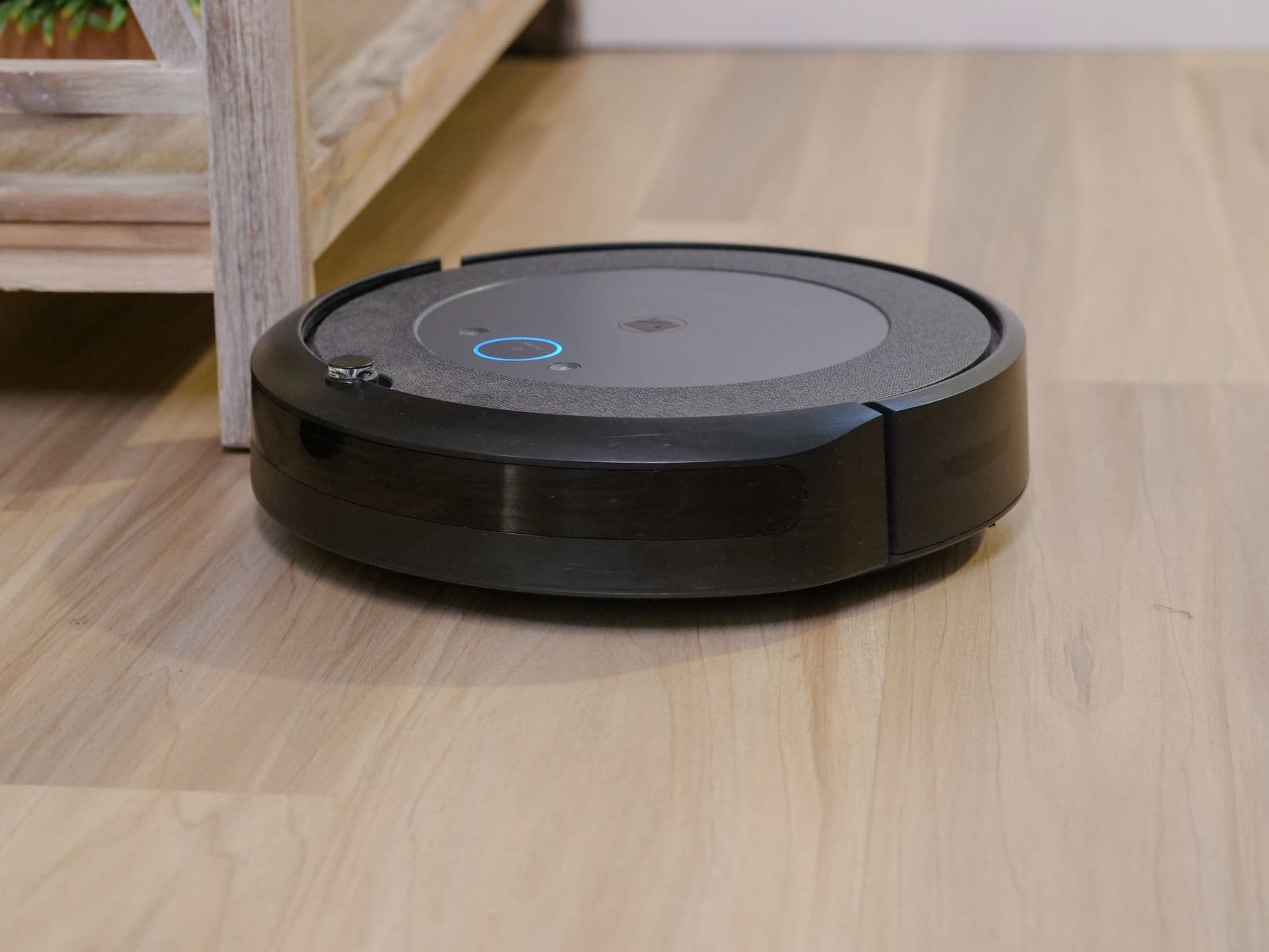
The Best Budget Robot Vacuums for Corners and Edges
A circle cannot reach a right angle. Ranked on what each machine publishes about edges.
Top pick: iRobot Roomba 105 Vac
The two features that genuinely change things
A self-emptying dock. This is the one that changes your relationship with the machine. Without it, you empty a bin of roughly 400 to 550 ml, and with a shedding pet that is twice a week, forever. With it, you change a bag every 60 to 90 days. People who own one describe the difference as the moment they stopped thinking about the robot at all, and that is worth more than any suction figure. It starts around $168 here. The self-emptying page ranks them.
LiDAR mapping. A spinning laser that builds a floor plan means the machine cleans in systematic rows rather than bouncing, knows what it has already covered, comes back to the same spot after a recharge, and lets you draw no-go zones in an app. On anything larger than a studio, the difference in coverage is not subtle. It starts around $149. The LiDAR page covers what the different sensor types actually do.
The two that mostly fill a bullet list
Mopping, on most machines at this price, is a damp cloth being dragged. It removes a film of dust from a sealed floor and does nothing else. It is not useless - a lightly damp pass every day does keep hard floors looking better - but it is not mopping in the sense you would use the word about a bucket. The mop-combo page is explicit about which two machines here have a genuinely different mechanism and which are dragging a cloth.
Voice control. Every machine here works with Alexa or Google Assistant, and almost nobody uses it after the first week. The app schedule is what people actually use, because a robot vacuum is a thing you want running while you are out, not a thing you shout at. It is a fine feature; it is not a reason to choose one machine over another. The app and voice page covers the app differences, which do matter.
The feature that is worth paying to remove
There is a real case for buying a machine that does not mop at all. Removing the water tank frees interior volume for a bigger dustbin, removes the pad you have to rinse and dry after every run, removes the risk of the machine dragging a wet cloth onto a rug, and removes a maintenance item that grows mold if you forget it. On a house with no hard floors worth mopping, none of that is a sacrifice.
It is also a search almost nobody serves. There is measured demand for 'best budget robot vacuum without mop' and, when we surveyed the field, not one competitor had a dedicated page for it. Ours is here, and it exists because deliberately wanting less machine is a legitimate position, not an oversight.
How the features stack against price
| Feature | Starts at (live) | Changes daily life? | Worth paying for? |
|---|---|---|---|
| LiDAR mapping | About $149 | Yes - coverage and no-go zones | Almost always |
| Self-emptying dock | About $168 | Yes - most of all | If the dock has somewhere to live |
| Anti-tangle brushes | About $209 | Yes, if you have pets | With any shedding animal |
| Obstacle avoidance | About $280 | Yes, on a cluttered floor | If you have cables and toys |
| Mopping (pad) | About $108 | Marginally | Only if hard floors dominate |
| Mopping (scrubbing) | About $200 | Yes on hard floors | If mopping is the actual point |
| Voice control | About $90 | No | It comes free; do not choose on it |
The pattern is worth stating plainly: the features that change your life are the boring ones. A dock that means you never empty a bin, and a map that means the machine actually covers the floor. The ones that photograph well - a mop, a voice assistant, a five-figure suction number - are the ones that show up in every listing precisely because they are cheap to add.
Questions people actually ask
Does LiDAR mapping matter on a budget robot vacuum?
Yes, more than any other single feature except a self-emptying dock. Without a map the machine has no idea where it has been, so coverage is a matter of running it long enough rather than covering the floor. It also unlocks no-go zones and room selection, which are the two app features people use daily.
Do cheap robot vacuums mop well?
Mostly no. On most machines under $300 the mop is a damp microfiber pad dragged behind the machine, which lifts a film of dust from a sealed floor and nothing more. Two machines in this price range use a genuinely different mechanism - sonic vibration - and those are the only ones we would buy for mopping.
Do any of these include a self-emptying dock?
Several. Self-emptying starts around $168 in this field. The important distinction is bagged versus bagless: a bagged dock is cleaner to empty and costs you money forever, while a bagless one has no consumable at all but has to be tipped out by hand.
Which robot vacuum under $200 works with Alexa?
Effectively all of them. Alexa and Google Assistant support is close to universal in this price range, including on machines under $100. The exception is the eufy 11S MAX, which has no Wi-Fi at all and is controlled by remote.
Is a bagless self-emptying dock better than a bagged one?
It is cheaper - there is no consumable at all, and one manufacturer puts the saving at up to $80 a year. A bagged dock is better if anyone in the house has a dust allergy, because a sealed bag can be removed without releasing a cloud, which is exactly what tipping out a bagless bin does.
Sources
Every specification quoted above was read off one of these documents on the date shown. Where a manufacturer does not publish a figure, this site says "Not published" rather than estimating it.
- Manufacturer listings for every machine ranked in this sectionFeature availability, dock capacities, brush descriptions and mopping mechanisms are read from each product's own listing.
- Live price layerThe 'starts at' figures are the lowest live price on this site for a machine publishing that feature, re-checked daily.