Individual Robot Vacuum Reviews, Scoped To What We Can Verify
One machine per page, with a section every other review site leaves out: exactly what we did not check.
In this section

Roborock Q10 S5+ Review
Our overall pick. The only sub-$300 machine that can see what is on your floor.
Top pick: Roborock Q10 S5+
Ecovacs DEEBOT N20 Plus Review
The bagless dock that makes this the cheapest machine here to own over three years.
Top pick: Ecovacs DEEBOT N20 Plus
#ad No live price for this one as of October 17, 2026. How we are funded

Tikom L8000 Plus Review
The longest dock interval here at 90 days, from the least familiar brand on the site.
Top pick: Tikom L8000 Plus

Tapo RV20 Max Plus Review
Discontinued. What Tapo's ultra-slim self-emptying machine was, and the successor we would buy instead.
eufy 11S MAX Review
No Wi-Fi, no app, no account - and the joint-slimmest body on the site at 2.85 inches.
Lefant M210 Review
No brushroll, so nothing for hair to wrap around - a real advantage under $100.
Top pick: Lefant M210
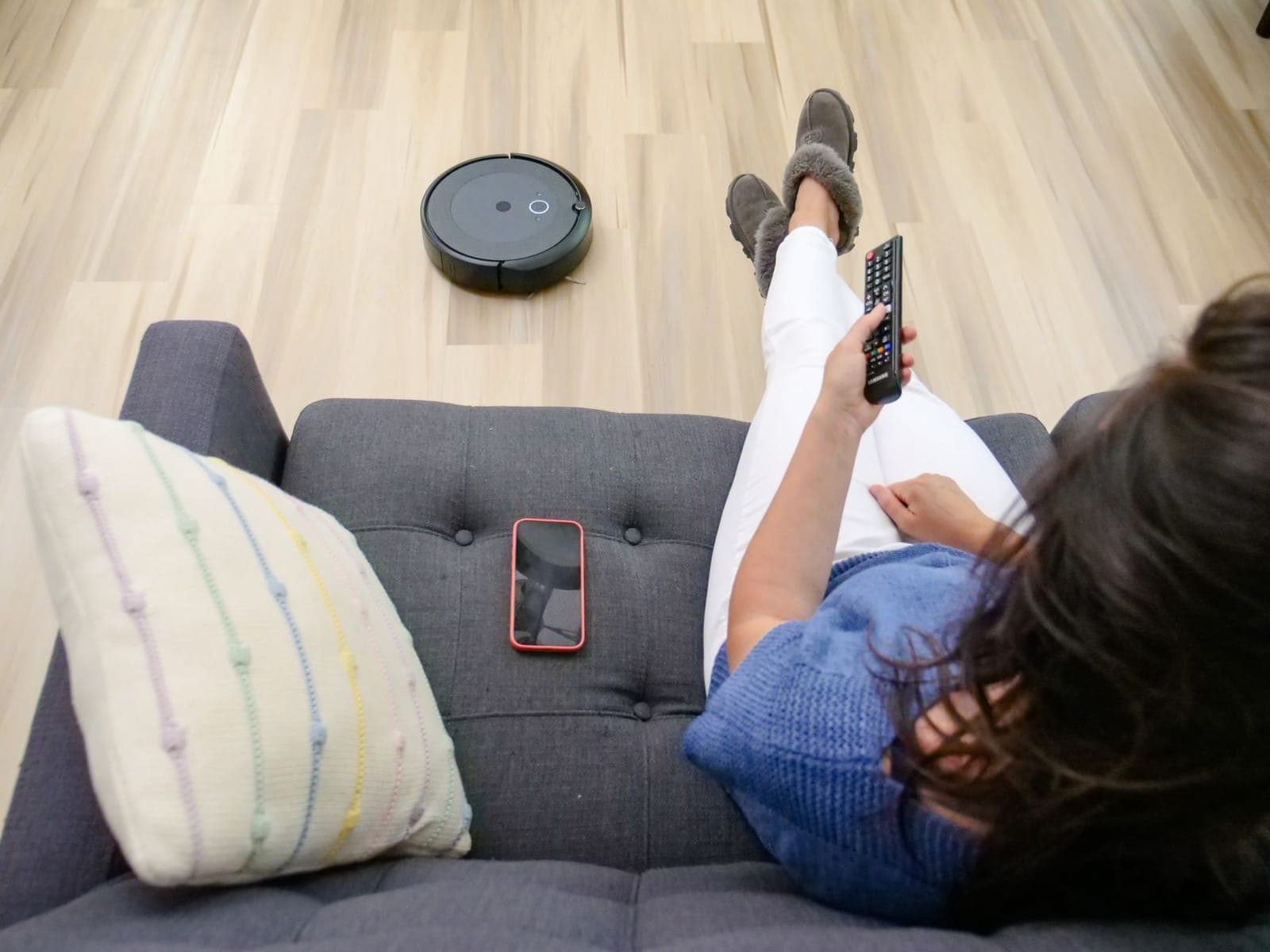
iRobot Roomba 105 Vac Review
The cheapest genuine LiDAR map on this site - and a brand that will still sell you a filter in five years.
Top pick: iRobot Roomba 105 Vac
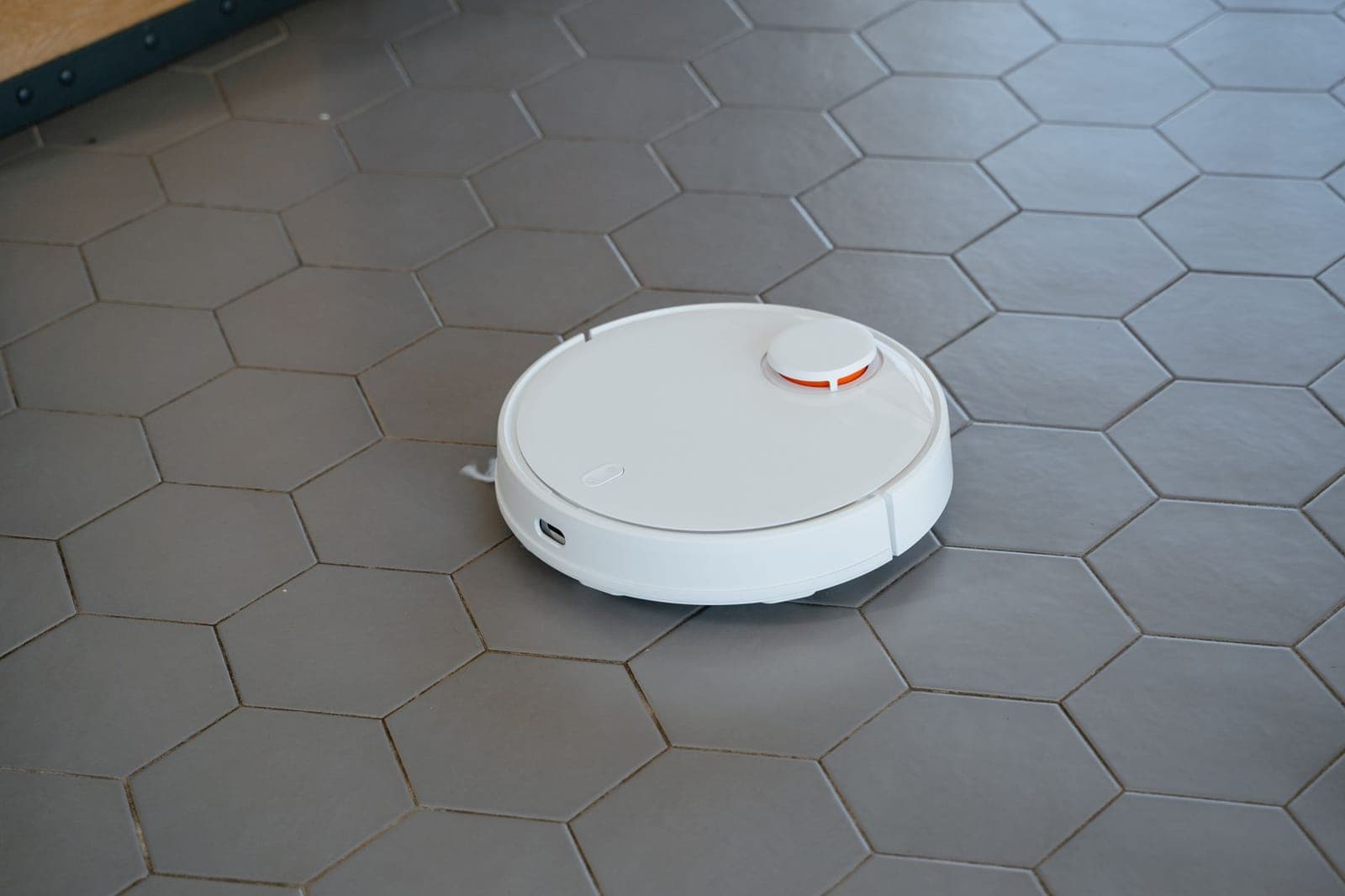
Shark Matrix Plus AV2610WA Review
Bagless self-emptying and true HEPA in one base - the only machine here that does both.
Top pick: Shark Matrix Plus AV2610WA

Roborock Q7 M5+ Review
Both brushes designed against tangling, 10,000Pa published, and a dock that runs for weeks.
Top pick: Roborock Q7 M5+
Lefant M3 Review
The biggest published number on this site, attached to the most capable dock under $250.
Top pick: Lefant M3
#ad Price last verified October 17, 2026. How we are funded
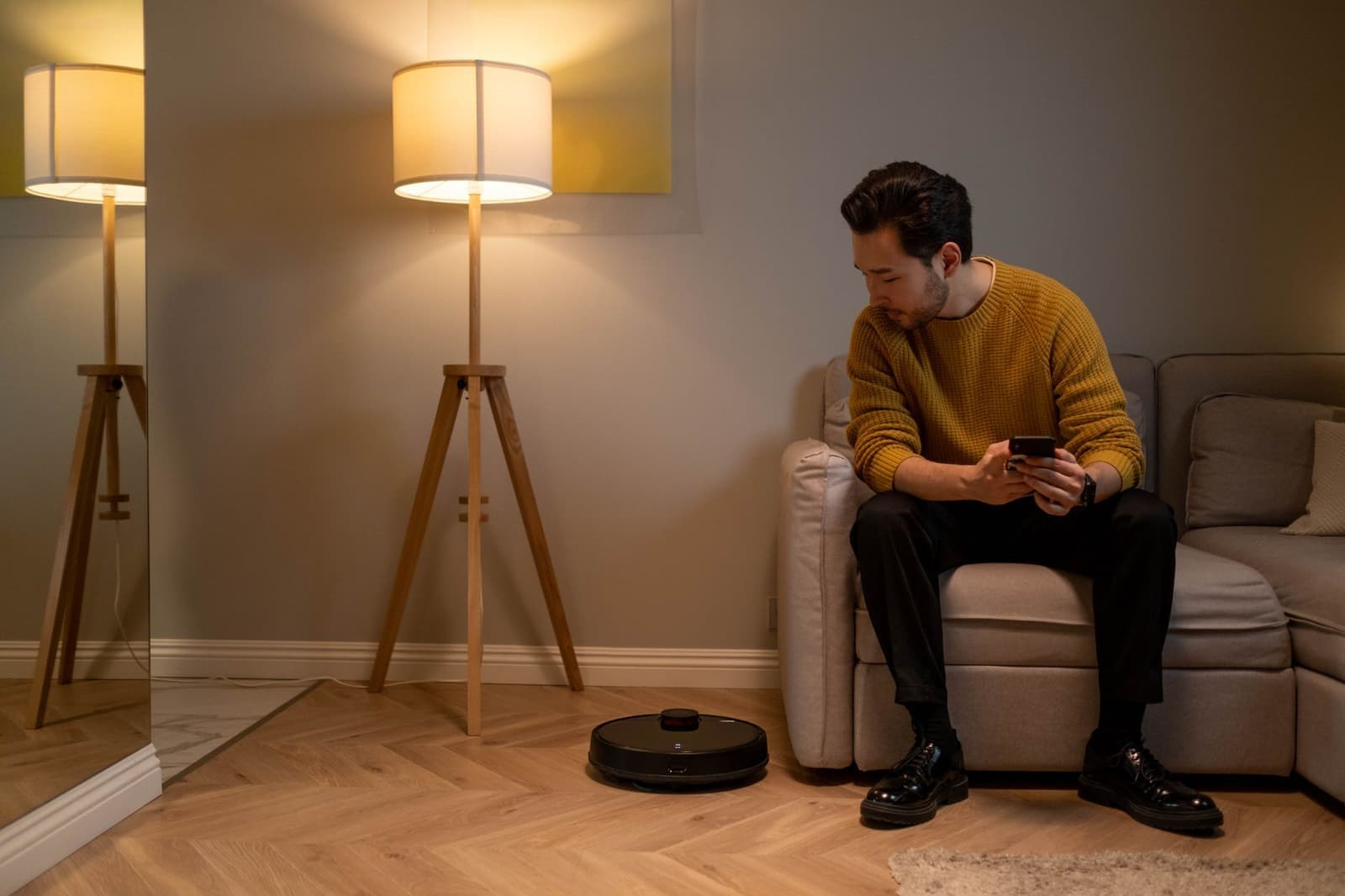
Tapo RV30 Max Plus Review
LiDAR plus inertial navigation and a 3-liter dock, from a mainstream network brand.
Top pick: Tapo RV30 Max Plus
#ad No live price for this one as of October 17, 2026. How we are funded

Tikom G8000 Max Review
5,000Pa, a big bin and four ways to control it - with no map, which is the whole trade.
Top pick: Tikom G8000 Max
Lefant N3 Review
A mop that actually scrubs and dToF LiDAR, under $200 - with the lowest published suction of any mapped machine here.
Top pick: Lefant N3
Lefant M330 Pro Review
dToF mapping, named-object PSD avoidance and a mop under $150 - with no published suction figure at all.
Top pick: Lefant M330 Pro
#ad Price last verified October 17, 2026. How we are funded
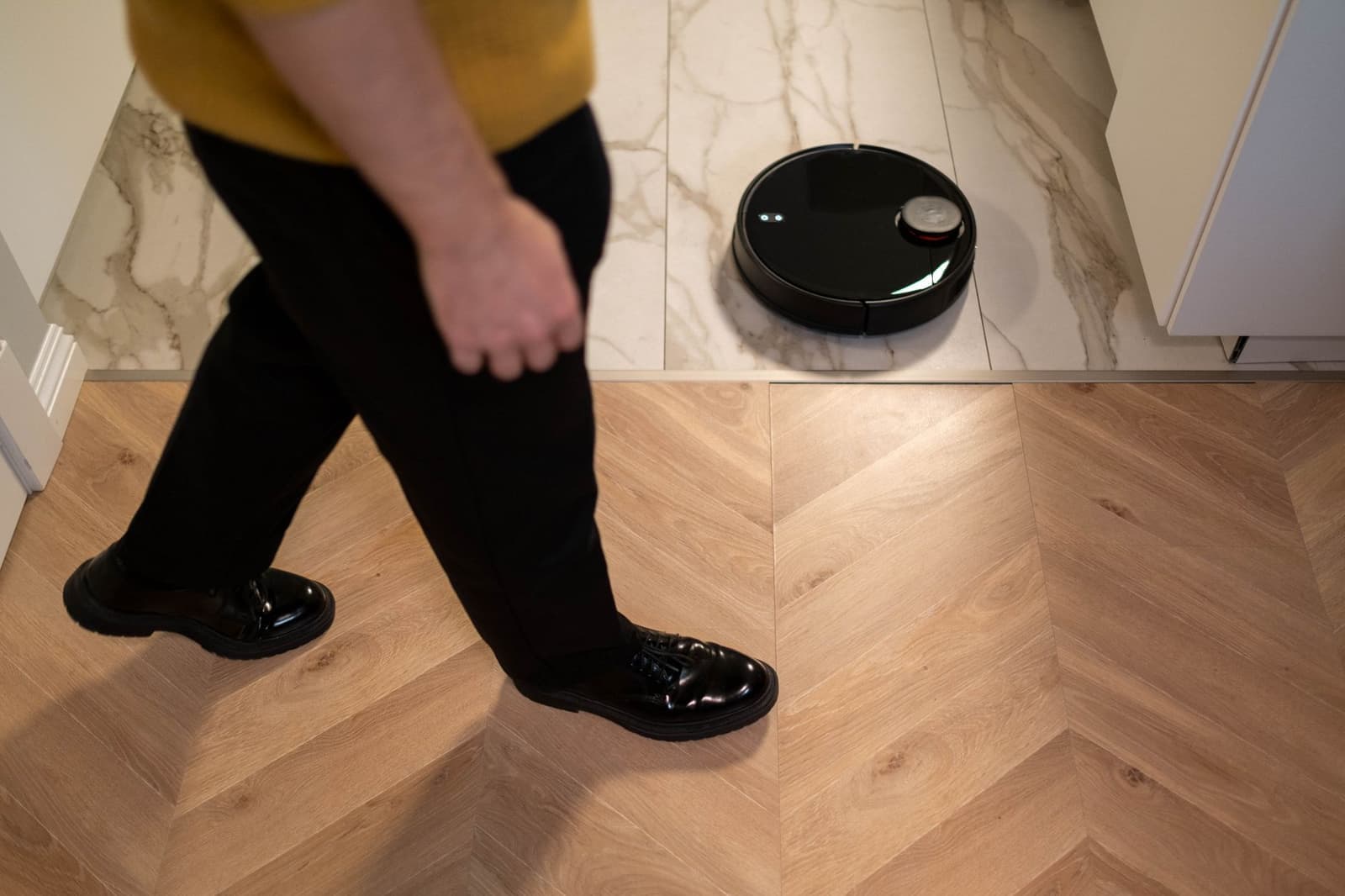
iRobot Roomba Vac Essential Review
A decent machine at a price iRobot's own mapping model undercuts. The review explains why we skip it.
Top pick: iRobot Roomba Vac Essential (Q0120)
#ad No live price for this one as of October 17, 2026. How we are funded
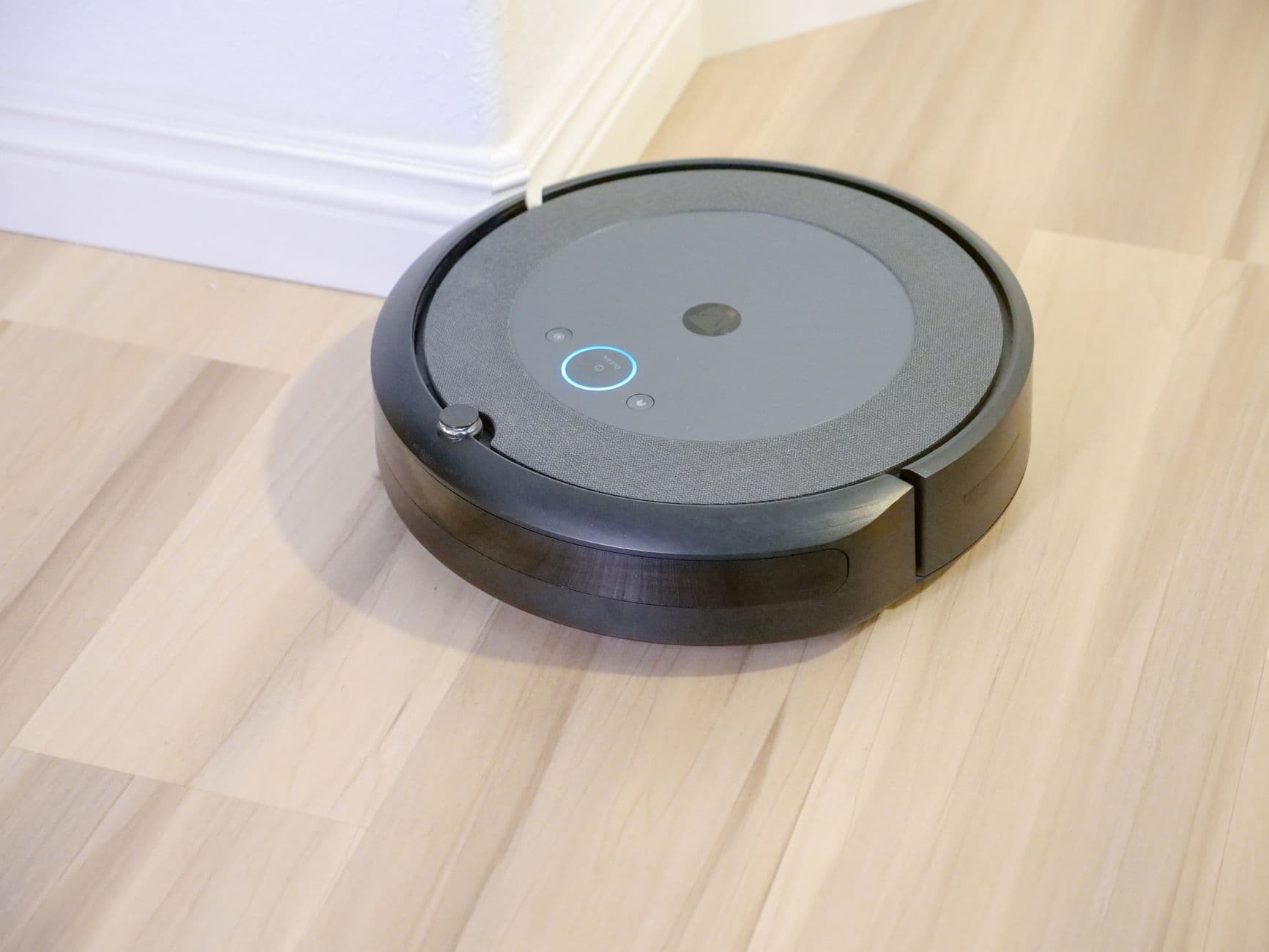
iRobot Roomba 105 Combo Review
Thirty dollars over the 105 Vac for a pumped mop. Strong on hard floors, awkward with rugs.
Top pick: iRobot Roomba 105 Combo
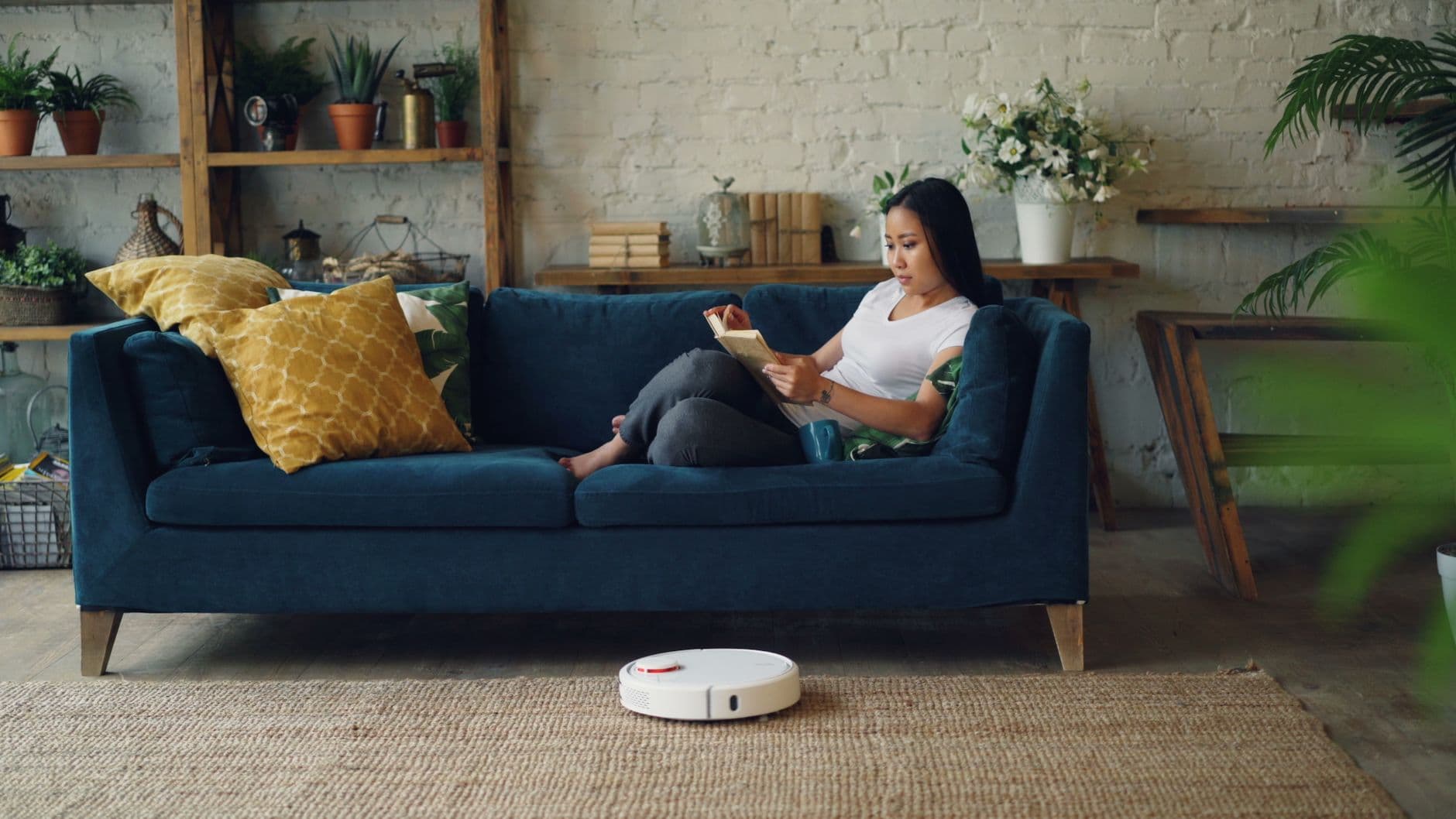
eufy C10 Robot Vacuum Review
2.85 inches, a laser map and a self-emptying dock in one machine. Mid-table suction is the price.
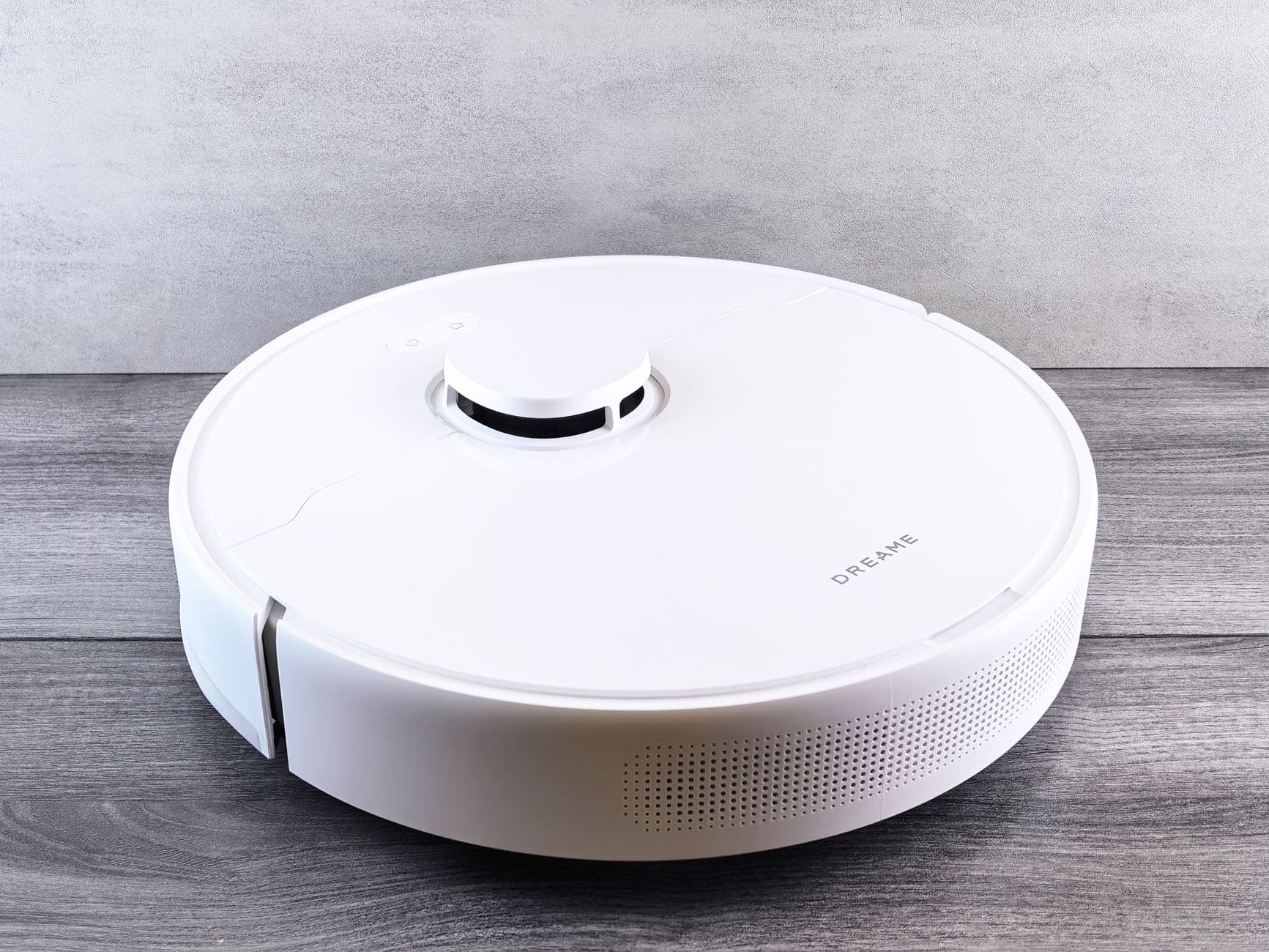
iRobot Roomba 105 Vac with AutoEmpty Dock Review
The same robot as the cheap 105, plus a sealed dock rated to 0.7 microns. For allergy homes.
Top pick: iRobot Roomba 105 Vac with AutoEmpty Dock
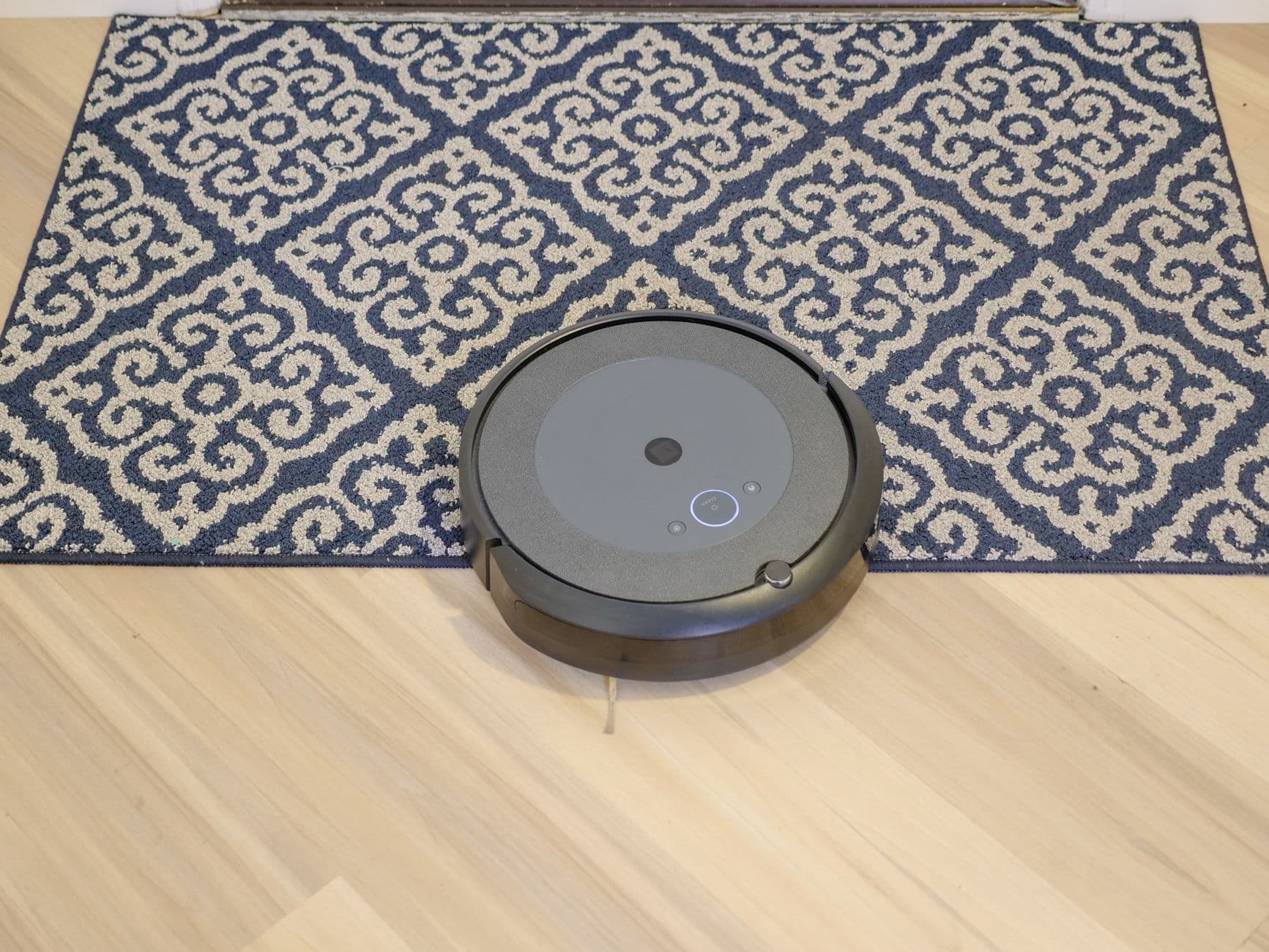
Shark AI Ultra AV2501S Review
A discounted flagship: LiDAR, a bagless HEPA dock, and a dock interval half its cheaper sibling's.
Top pick: Shark AI Ultra AV2501S
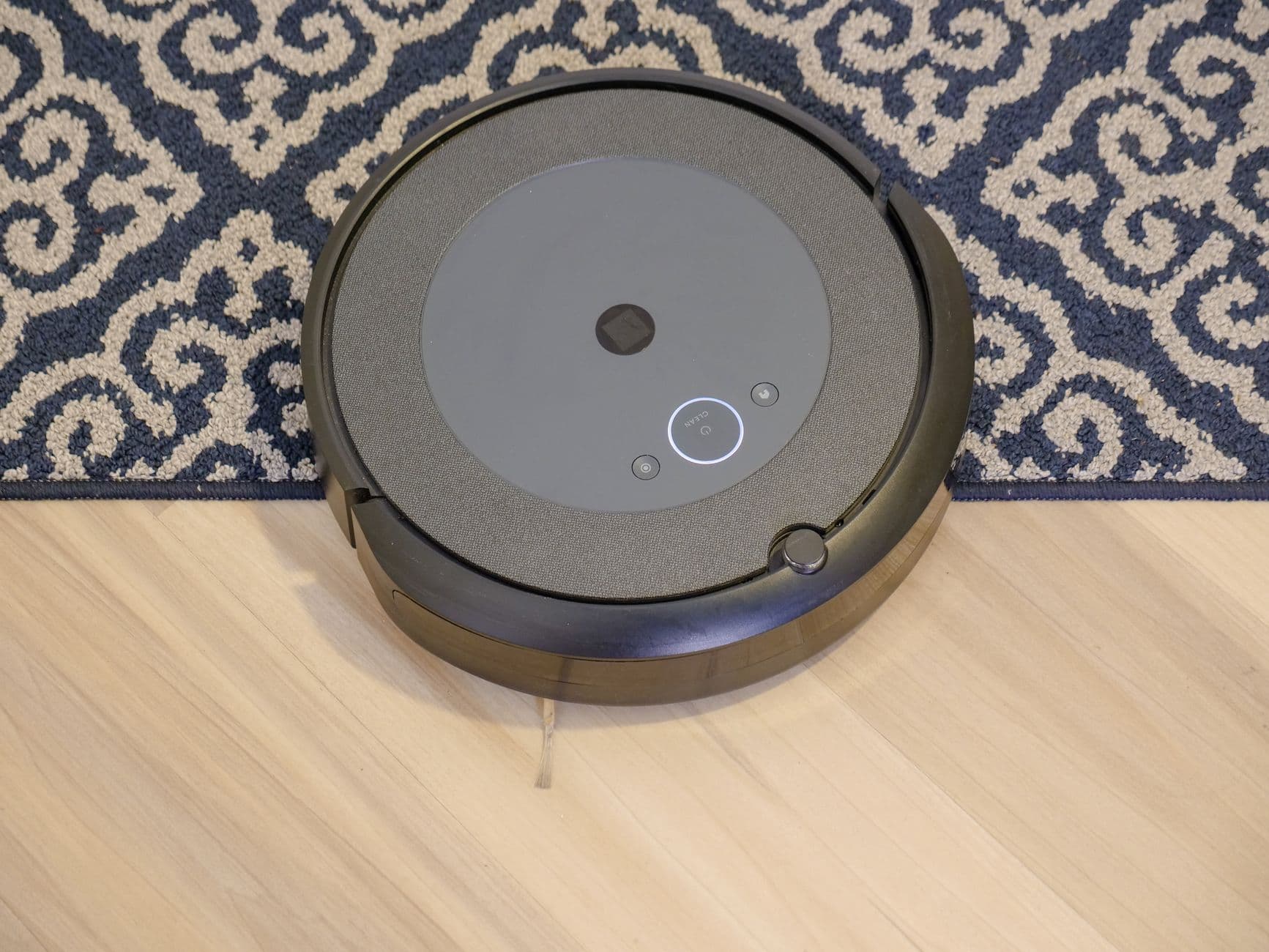
iRobot Roomba 115X Combo Review
A 90-day dock and the only Roomba here that publishes a Pa figure - now priced above our ceiling.
Top pick: iRobot Roomba 115X Combo
#ad Price last verified October 17, 2026. How we are funded
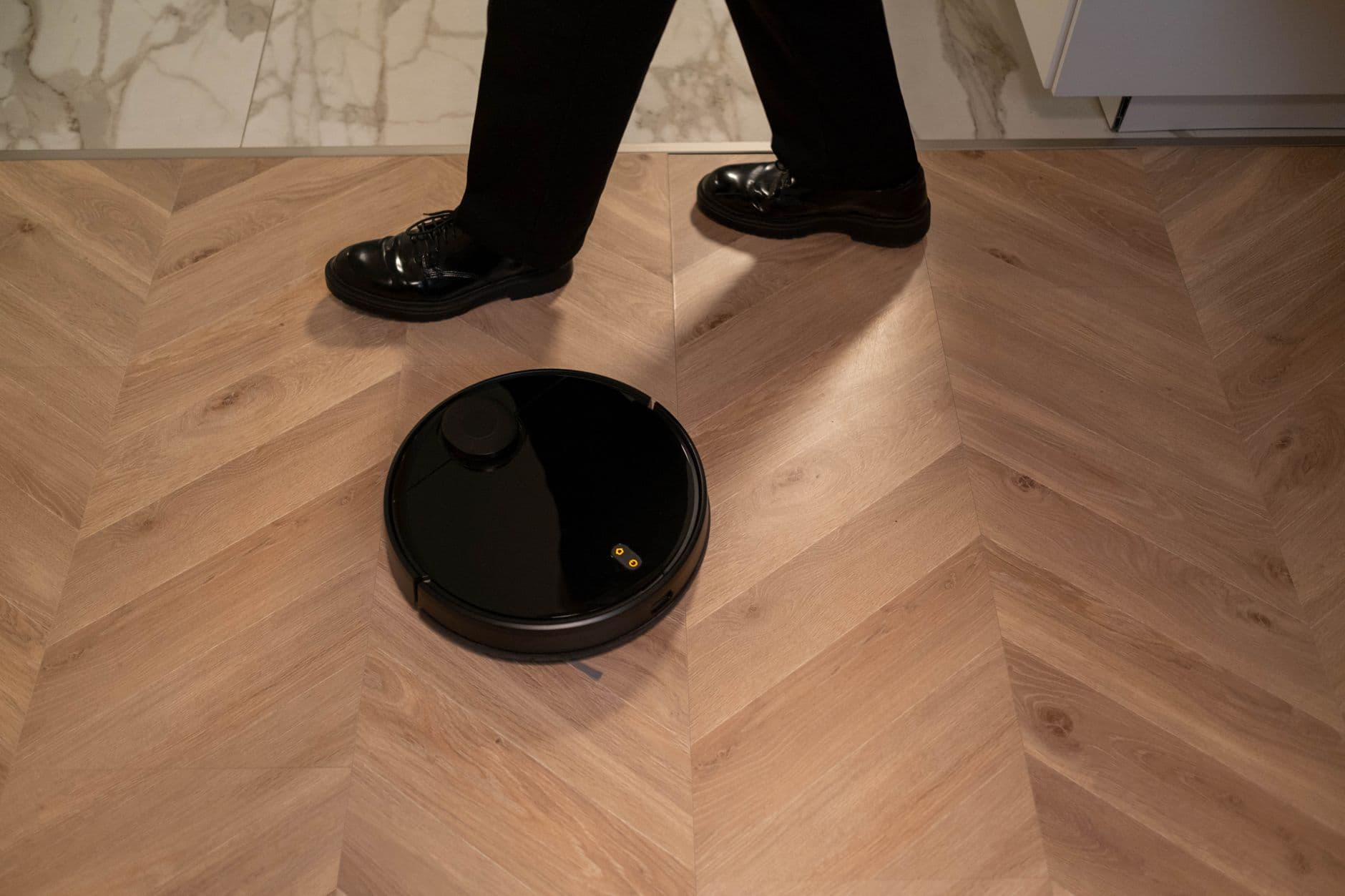
ILIFE V2 Robot Vacuum Review
No Wi-Fi, no app, no account - a remote and a button. The cheapest machine we rank.
Top pick: ILIFE V2
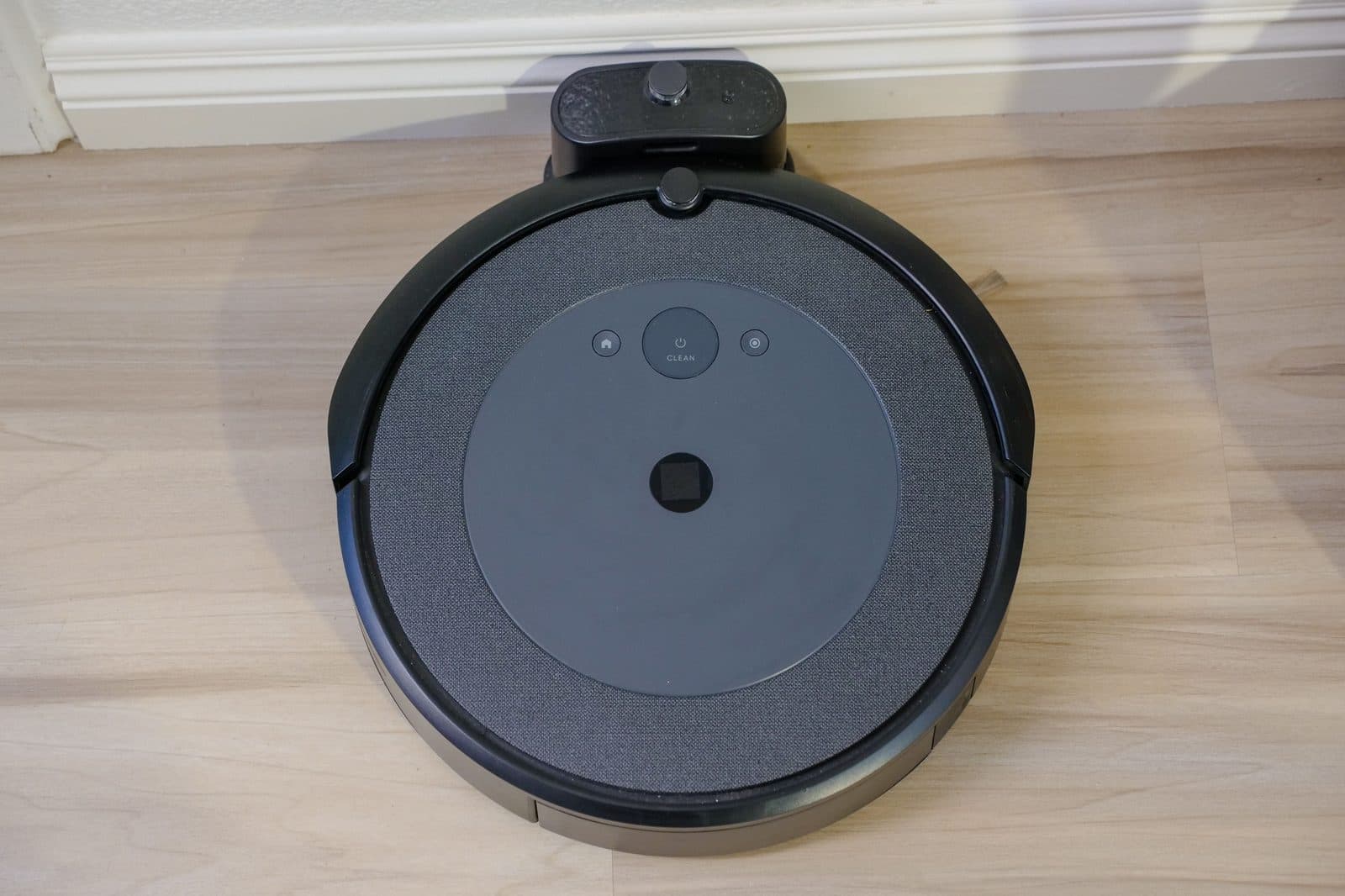
Roborock Q7 L5 Review
8,000Pa and real LiDAR with no dock and no bags. The Q5 Pro's replacement, and the highest published suction here without a dock.
Top pick: Roborock Q7 L5
What a review on this site is
It is a careful reading of everything a manufacturer publishes about one machine, cross-checked against what its competitors publish at the same price, with the gaps named. It is not a hands-on test, it is not an owner's report, and it will never pretend to be either.
Every review here carries a section headed what we did not verify. That section lists, specifically, the claims we could not check: whether the suction figure means anything in practice, whether the battery holds up after a year, whether the app is still supported in three. Those are real questions and we would rather name them than let a confident tone imply we answered them.
Which machines get a review
Only machines that are currently in stock and under the $300 ceiling. That sounds obvious and it is not how this category usually works - a large share of the 'best robot vacuum' pages ranking today recommend machines you cannot buy. When we checked the models we had planned to review, several were out of stock or discontinued, and those pages simply were not written.
The ceiling is enforced against live prices, not against our memory of what something cost. If a machine reviewed here rises above $300, the page says so at the top rather than quietly going out of date.
How a review is structured
- The verdict, in a paragraph, with the live price and a buy link at the top of the page rather than buried at the bottom.
- Published specifications, each with the document it came from. Figures the manufacturer does not publish are marked 'Not published'.
- What the specifications mean in a real home - the translation step, which is where a spec sheet stops being useful on its own.
- What we did not verify - the explicit limits of this review.
- Who should buy it and who should not, both stated plainly.
- Alternatives at this price, linking to the band page and the relevant head-to-head.
Why there is no star rating in the markup
Each review carries a score out of ten, computed from the published rubric. That score is editorial content and it stays on the page. It is deliberately not emitted as a review rating in the page's structured data, because that markup is a machine-readable assertion that this publisher tested the product and rated it. We did not, so we do not say we did - not in prose, and not in a format only a search engine reads.
It costs us the star ratings in search results that competitors show. That is the trade, and it is the correct one.
Questions people actually ask
Did you test the machine you reviewed?
No. Every review here is built from published specifications, the manufacturer's own documentation and the retailer listing, all cited on the page. Each review also carries a section naming exactly what we could not verify.
Why do your reviews not have star ratings in Google?
Because review-rating markup asserts that we tested and rated the product, and we did not. The score on the page is an editorial judgment about published specifications and stays on the page rather than being dressed up as a test result in the markup.
Why is there no review of a model I have seen recommended elsewhere?
Most likely because it is out of stock or above the $300 ceiling. We check availability against live retailer data before writing, and several models we had planned to cover turned out not to be currently purchasable.
How often are the reviews updated?
Prices are re-checked daily. The written content is reviewed every 90 days, and immediately if a machine goes out of stock or rises above the ceiling it was ranked under.
Sources
Every specification quoted above was read off one of these documents on the date shown. Where a manufacturer does not publish a figure, this site says "Not published" rather than estimating it.
- Manufacturer listings for every machine reviewedEach review cites the specific listing its figures were read from, with the date.