Robot Vacuum Buying Guides, With The Arithmetic Shown
The reasoning behind every ranking on this site, written out so you can disagree with a specific step rather than with the conclusion.

In this section

Are Cheap Robot Vacuums Worth It?
Usually yes - and for four specific kinds of home, genuinely no. Which one is yours?
Top pick: Roborock Q10 S5+

Do Robot Vacuums Work on Carpet?
Low pile yes, thick pile no, and the reason is physics rather than price. Where the line sits.
Top pick: Roborock Q10 S5+

Robot Vacuum Navigation, Explained
Four sensor types explained, including why a LiDAR machine still runs over cables.
Top pick: Roborock Q10 S5+

What Pa Suction Actually Means
The number every listing leads with, and why three major brands refuse to publish one.
Top pick: Lefant M3
#ad Price last verified October 17, 2026. How we are funded

What a Robot Vacuum Actually Costs to Run
Bags, filters, brushes and power over three years, with every assumption written out.
Top pick: Ecovacs DEEBOT N20 Plus
#ad No live price for this one as of October 17, 2026. How we are funded

How Often Should You Run a Robot Vacuum?
A cadence by household type, and why running it daily is easier on the machine than weekly.
Top pick: Ecovacs DEEBOT N20 Plus
#ad No live price for this one as of October 17, 2026. How we are funded

Why Are Robot Vacuums So Expensive?
The motor is the cheap part. Where the money actually goes, and why budget machines improved so fast.
Top pick: Roborock Q10 S5+
What You Give Up Under $300
What the sub-$300 tier still cannot do, and which of those limits are permanent.
Top pick: Roborock Q10 S5+

Robot Vacuum Troubleshooting
The eight commonest failures and how to fix each without buying anything.
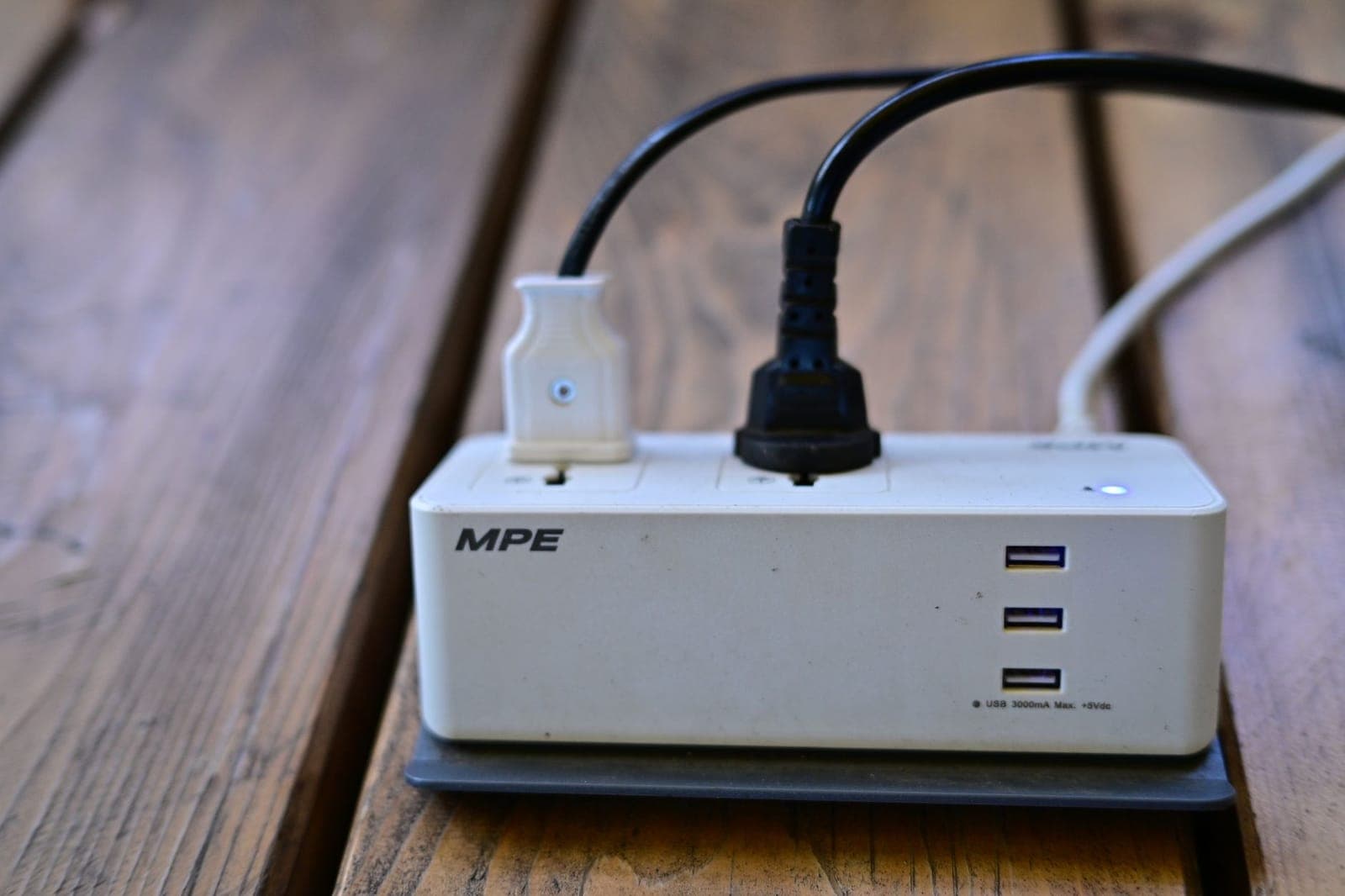
Robot Vacuum Battery Life, Honestly
Runtime is published, lifespan is not. What the battery numbers in this tier really tell you.
Top pick: Lefant M3
#ad Price last verified October 17, 2026. How we are funded
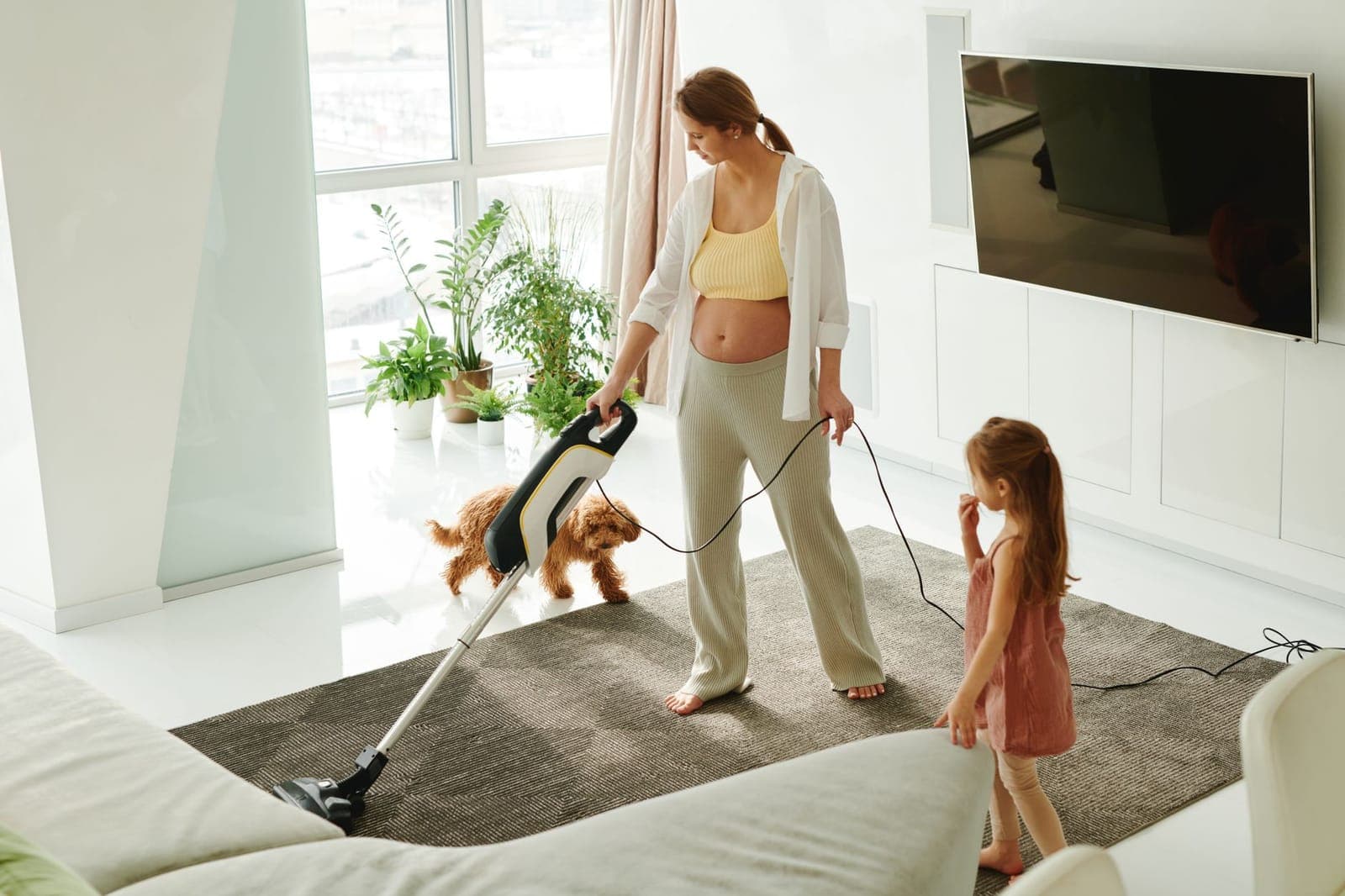
Robot Vacuum vs Regular Vacuum
One cleans better per pass, the other cleans more often. Which wins depends on your floors, not the specs.
Top pick: Roborock Q7 M5+
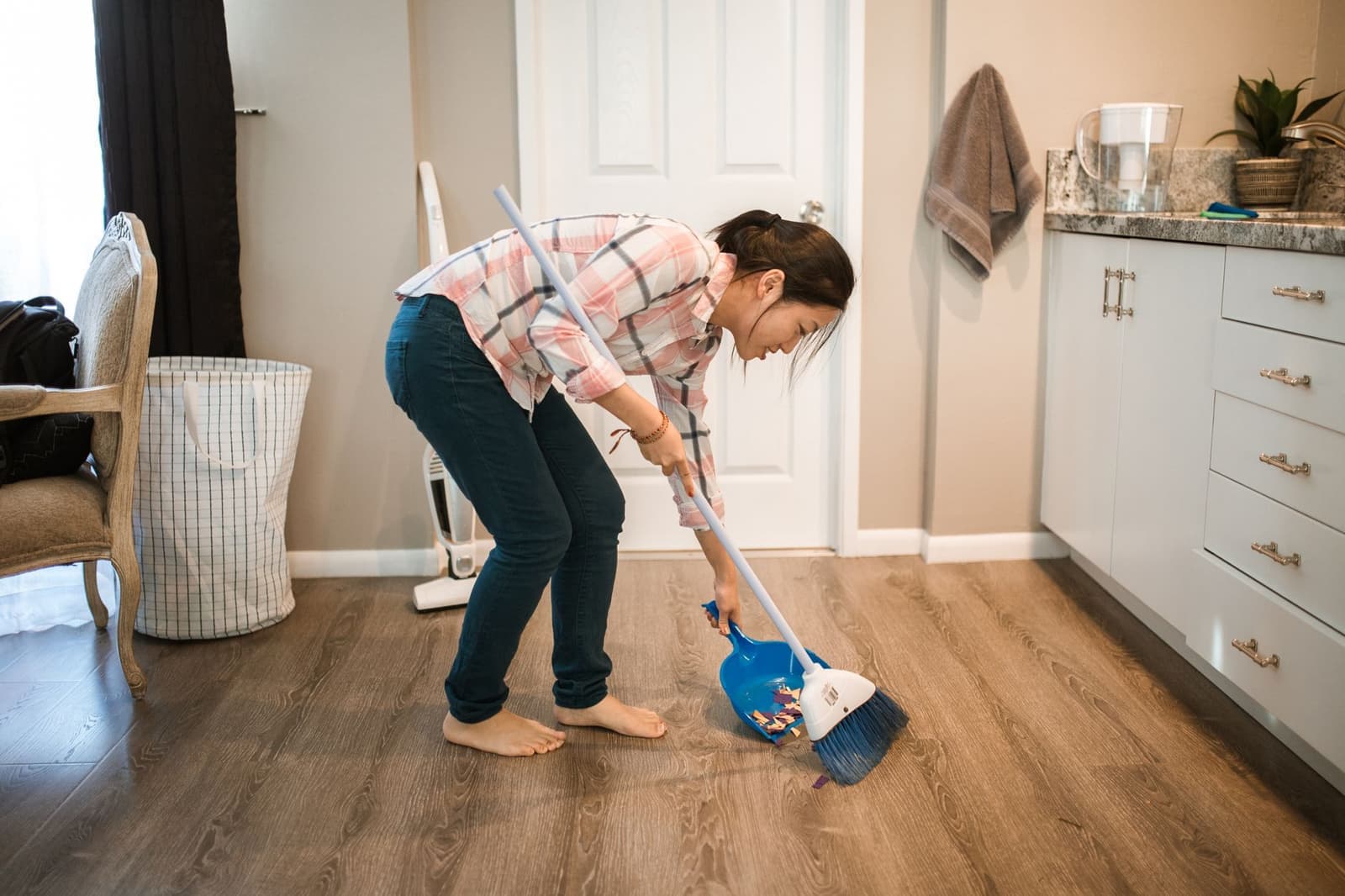
Is a Self-Emptying Robot Vacuum Worth It?
About a hundred fewer chores a year, for bags, money and floor space. The arithmetic and the two homes where it is not worth it.
Top pick: Ecovacs DEEBOT N20 Plus
#ad No live price for this one as of October 17, 2026. How we are funded

Is a Robot Mop Worth It?
Useful daily maintenance on hard floors; not a replacement for mopping. Which homes it earns its place in.
Top pick: Lefant N3
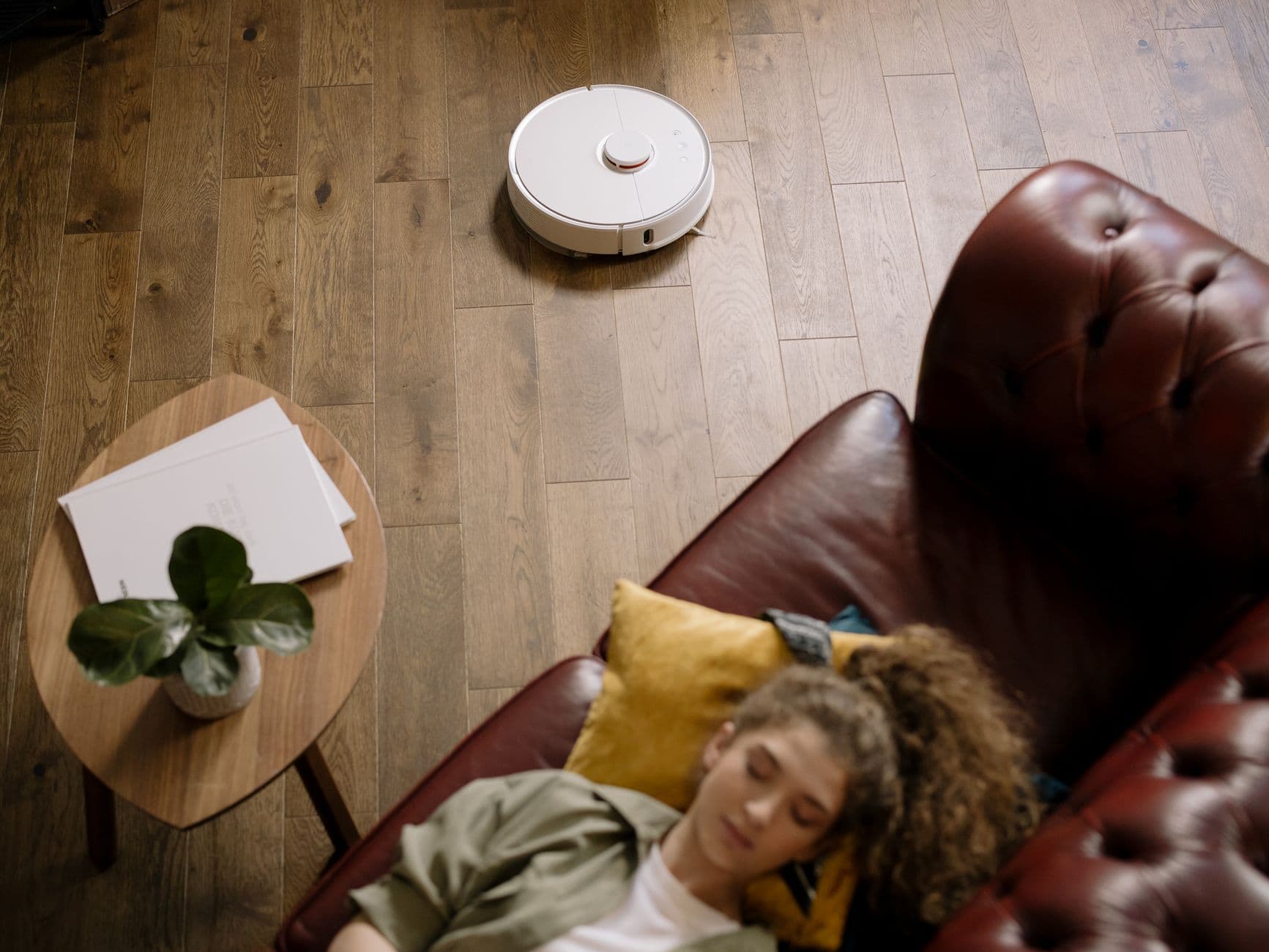
Is LiDAR Worth It on a Robot Vacuum?
Laser mapping now starts near $120. What it buys, what it does not, and when to skip it.
Top pick: Lefant M330 Pro
#ad Price last verified October 17, 2026. How we are funded
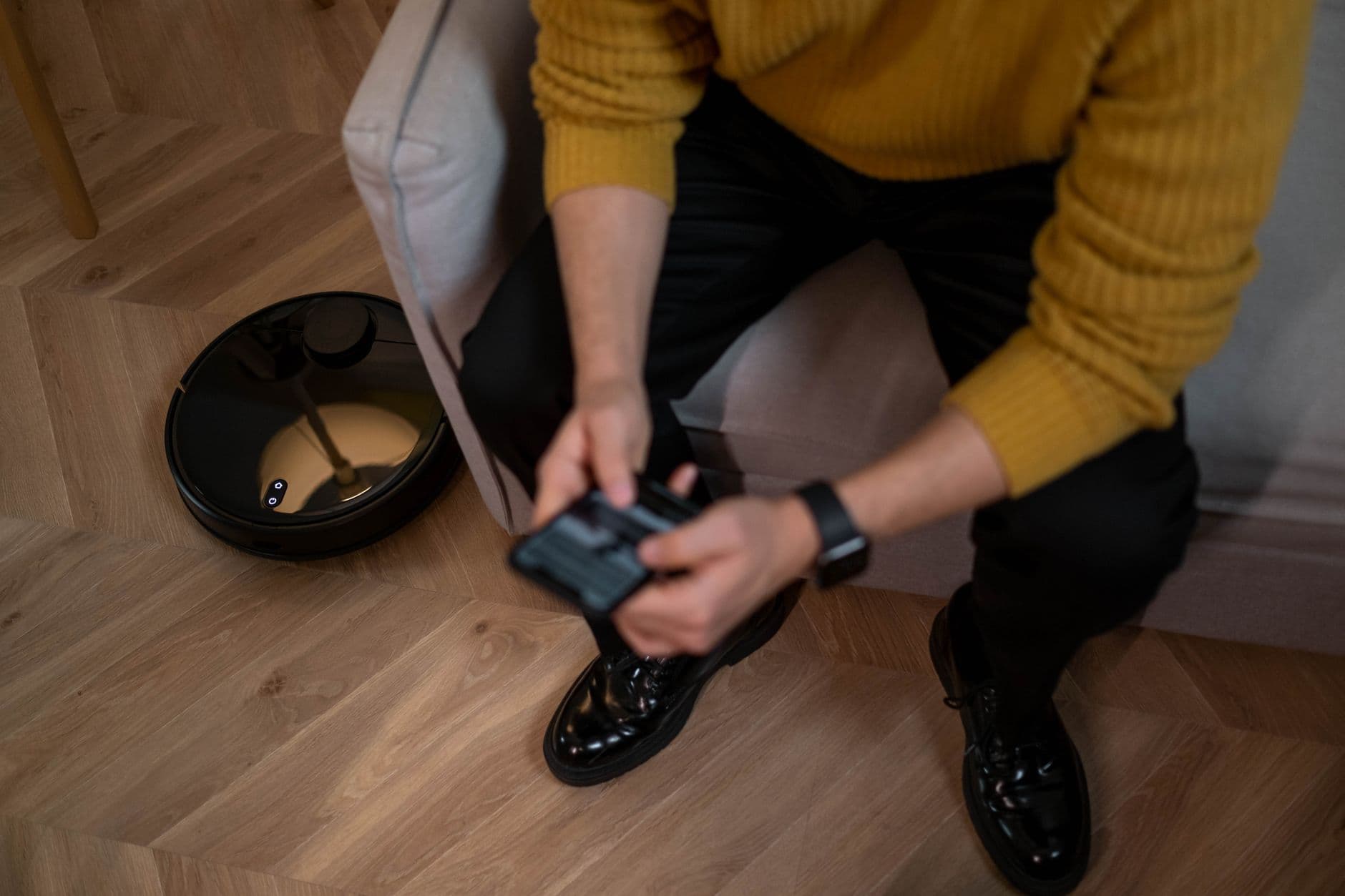
Robot Vacuum vs Cordless Stick Vacuum
Two battery machines, same money, different jobs. Stairs are what decides which comes first.
Top pick: Roborock Q7 M5+
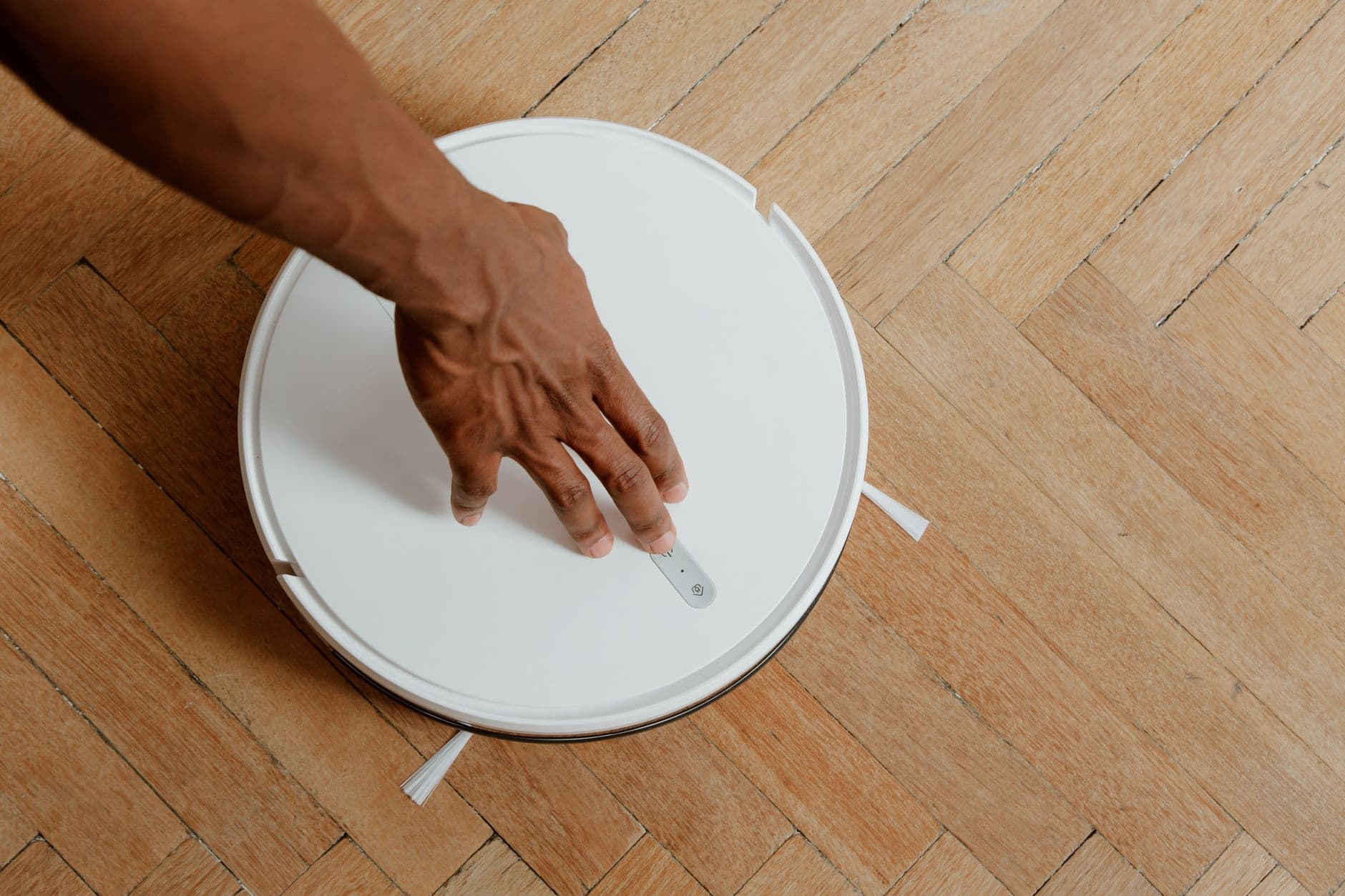
The Best Roomba Alternatives Under $300
What the same money buys elsewhere, measure by measure - and when the Roomba still wins.
Top pick: Roborock Q7 M5+
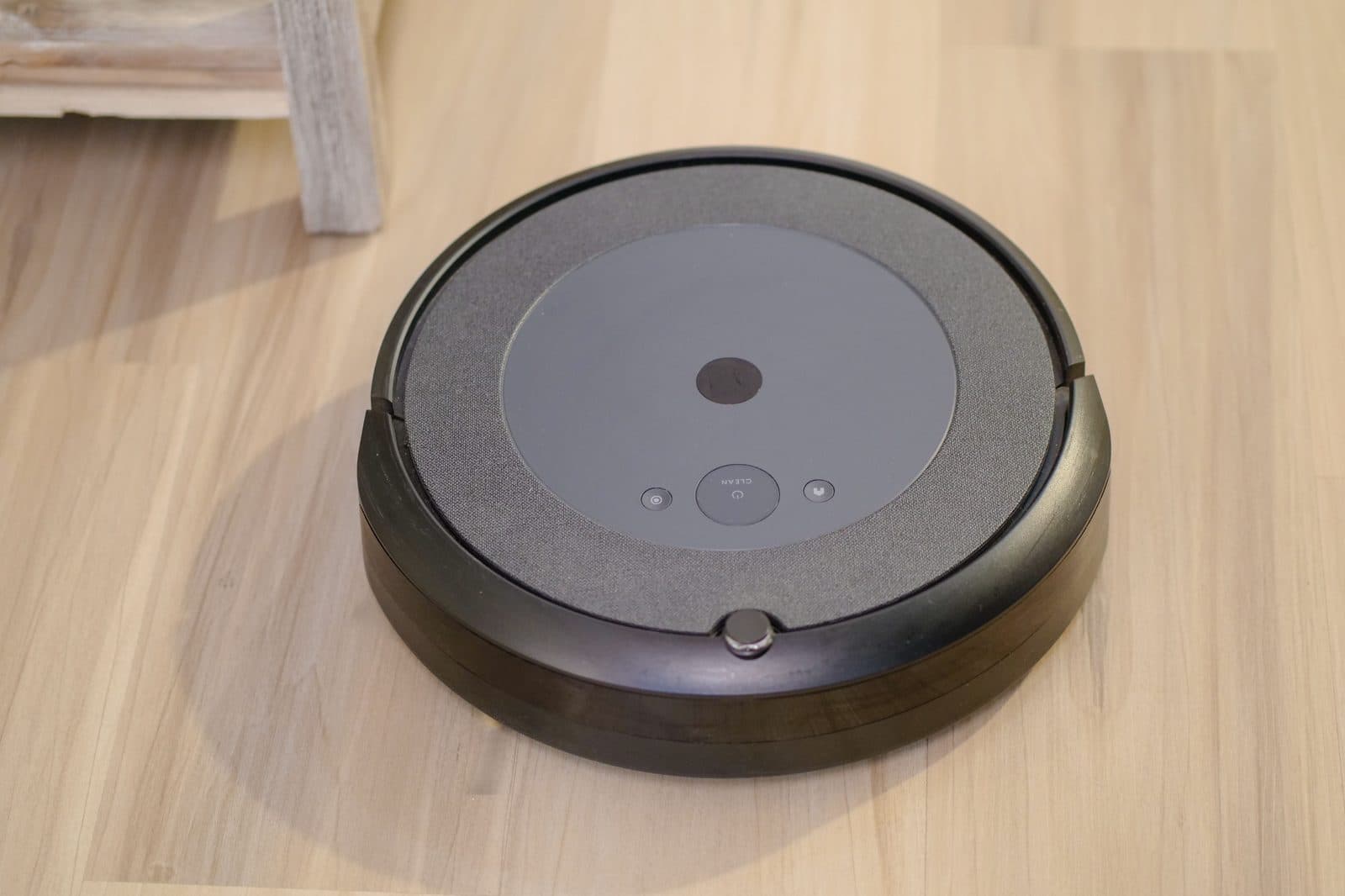
The Best eufy Alternatives Under $300
eufy has left the sub-$300 tier and both machines we ranked are discontinued. Five verified alternatives, matched to what each eufy was actually good at.
Top pick: Lefant M330 Pro
#ad Price last verified October 17, 2026. How we are funded
Why these guides exist
Almost every competitor in this category ranks robot vacuums on the strength of a test lab. Vacuum Wars has tested over two hundred machines; RTINGS runs a real protocol in a real room. Those are genuine credentials and we are not going to pretend to have them. We have not tested a single machine on this site, and we say so on every page.
What we can do instead is the thing almost nobody in this field bothers with: compile the published specifications, read the manuals, do the arithmetic, and publish all of it so you can check the work. When we surveyed the pages ranking for these searches, not one published a reproducible scoring formula. That gap is what these guides are for.
Where the guides start
If you are not sure a robot vacuum is worth buying at all, start with are cheap robot vacuums worth it. It is the most honest page on the site about what the machines cannot do, and it is genuinely a 'sometimes no' answer.
If you have decided to buy and want to shop on specifications, read what Pa suction actually measures and how the navigation works first. Between them they cover the two numbers every listing leads with, and both are more complicated and less meaningful than they look.
If you are comparing two machines on price, read what a robot vacuum costs to run before you decide. The three-year consumables gap between a bagless dock and a bagged one is larger than the price gap between most machines in this range, and it is invisible on the product page.
The standing rules for everything here
- Every figure has a source. If a manufacturer does not publish it, the page says 'Not published' rather than estimating it or borrowing a number from a similar model.
- No price is ever written in prose. Prices render from the live data layer with the date they were verified, or they say 'Check price'. A price typed into a sentence is out of date the day after it is written.
- Manufacturer figures are labeled as manufacturer figures. A 97% dust-pickup claim with no published test standard behind it is reported as exactly that.
- Arithmetic is shown. Where a guide reaches a number - running cost, a score, a break-even point - the working is on the page.
- We say when a product is bad. Every roundup names one machine we would not buy and why, including one from the best-known brand in the category.
What we deliberately do not do
We do not quote owner reviews as though they were our own findings. Where an owner complaint is worth reporting, it is attributed and linked, never paraphrased into our voice. We do not run a testimonials section, because we have no customers to quote and inventing them is the fastest way to deserve none.
We also do not publish a star rating in our structured data. Our scores are editorial judgments about published specifications, and dressing them up as review ratings in the page's machine-readable markup would tell search engines something about this site that is not true.
The full method, including the scoring weights and how to recompute any score on the site, is on how we pick.
Questions people actually ask
Have you tested these robot vacuums?
No, and we say so on every page. Everything here comes from published specifications, manufacturer manuals and retailer listings, all cited. Units we claim to have tested: zero. What we do instead - compile the specs and publish the arithmetic - is described in full on the How We Pick page.
Why should I trust a ranking from someone who has not tested the machines?
Because you can check it. The scoring inputs, the weights and the source for every figure are published, so you can recompute any score on this site and disagree with a specific step. A test-lab ranking asks you to take the result on faith; this one hands you the working.
Why are robot vacuums so expensive?
The expensive part is not the vacuum, it is the sensing. A LiDAR turret, structured-light obstacle avoidance and the processing to map a house in real time cost far more than the motor and the brushes. That is exactly why the sub-$300 tier improved so fast once those components got cheap.
How often should I run a robot vacuum?
It depends on shedding and household traffic more than on floor area. The short version: no pets, twice a week; one pet, every other day; multiple pets or children, daily. The full reasoning is on the how often to run guide.
Sources
Every specification quoted above was read off one of these documents on the date shown. Where a manufacturer does not publish a figure, this site says "Not published" rather than estimating it.
- Cheapbot Co scoring methodologyThe weights, inputs and worked example are published at /how-we-pick.
- Manufacturer listings for every machine referenced in these guidesIndividual citations appear on each guide page.